


About the Huron River Watershed Council
Founded in 1965, the Huron River Watershed Council (HRWC) is southeast Michigan’s oldest environmental organization dedicated to river protection. The Huron River Watershed Council protects and restores the river for healthy and vibrant communities.
HRWC is a nonprofit coalition of residents, businesses, and local governments. HRWC bridges political boundaries by building partnerships between and among communities, community leaders, residents, and commercial enterprises. HRWC monitors the Huron River, its tributaries, lakes, and groundwater, and leads programs on pollution prevention and abatement, wetland and floodplain protection, public education, and natural resource and land-use planning.
Since we were formed, the HRWC has served as a place where local units of government and citizens have discussed problems and sought solutions to critical issues affecting the River. Even though the HRWC has no enforcement powers, we have accomplished our goals through the use of technical data, factual information, and citizen stewardship to influence decisions made by various local and state agencies.
The Huron River Watershed Council is an exempt organization as described in Section 501(c)(3) of the Internal Revenue Code.
Where is the Huron River watershed located?
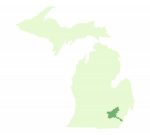
The Huron River watershed, located in southeast Michigan, spans a land area of more than 900 square miles and drains water to the Huron River through hundreds of tributary creeks and streams. The river itself flows more than 125 miles from its headwaters at Big Lake, near Pontiac, to its mouth at Lake Erie. The river’s drainage area includes seven Michigan counties (Oakland, Livingston, Ingham, Jackson, Washtenaw, Wayne, Monroe), 63 municipal governments, and 650,000 residents. Check out our maps for more details.
What does the Huron River Watershed Council do?
HRWC’s mission is to protect and restore the river for healthy and vibrant communities.
We envision a future of clean and plentiful water for people and nature where citizens and government are effective and courageous champions for the Huron River and its watershed.
Types of Activities in which HRWC engages:
- Monitoring streams: HRWC has developed the premiere citizen-monitoring network in the State. Our strong quality assurance and quality control mechanisms allow agencies to confidently use this data to direct water protection programs.
- Educating the public: HRWC has an award-winning mass media campaign aimed at changing behaviors to keep our water safe and clean.
- Reducing pollution: HRWC’s work on phosphorus pollution produced numerous ordinances to protect natural areas, provide stronger protection of wetlands, and to reduce conversion of land and natural habitat to pavement and buildings.
- Assisting communities: HRWC’s science and policy experts respond daily to residents and government representatives to help them manage development in ways that protect creeks, wildlife, and natural features.
- Protecting drinking water: HRWC has written an award-winning guidebook that communities throughout Michigan are using to develop drinking water protection plans.