


Better Together. Building a bright future for the Huron River and its communities.
Wednesday, November 12, 2025 • Washtenaw Community College
State of the Huron Conference
Wednesday, November 12, 2025 • Washtenaw Community College

The State of the Huron Conference was a one-day, immersive experience designed for community members, environmental professionals, and partners dedicated to the Huron River. Attendees participated in programming focused on the latest water quality research, policy opportunities and collaborative solution which equipped them with ideas and connections to advance river protection and community well-being.
Listen to pre-conference interviews:
HRWC Executive Director Rebecca Esselman chatted with The Metro’s Robyn Vincent. Listen at WDET 101.9 FM.
HRWC Executive Director Rebecca Esselman and Dr. Jalonne White-Newsome, keynote speaker, talked to April Baer on Michigan Public’s Stateside.
Conference Sessions
Catch up on our conference exploring the Huron River watershed—discover trends, threats, and solutions, and hear how partnerships and community action are making a difference.
Keynote Remarks
In this inspiring keynote, Dr. Jalonne White-Newsome delivered a powerful call to action during a time of both challenge and opportunity. Drawing from her work in foundations, nonprofits, and federal government, Dr. White-Newsome explored what it takes to protect our water and communities when the path forward isn’t always clear. Through personal stories, reflection, and interactive conversation with attendees, she invited everyone to think about their individual roles, find new partners, and build systems strong enough to weather whatever comes next. This keynote reminded us that the choices we make today—and the connections we forge—shape the health of our watershed for generations to come. Real change doesn’t come from working harder in isolation, but from working smarter together.
About Dr. White-Newsome
 Dr. Jalonne White-Newsome
Dr. White-Newsome is an Associate Professor in the Environmental Justice Specialization. Building on her multi-faceted, multi-sectoral and diverse areas of passion, practice, service and scholarship, Dr. White-Newsome’s areas of research include: environmental and climate justice policy and practice; finding solutions to address the social, economic and public health impacts of climate change – specifically, extreme heat, extreme flooding, and specific health impacts on the elderly and children; examining how to integrate justice, equity and corporate social responsibility; and advancing justice-centered leadership across the environmental sector.
Dr. White-Newsome started her career in chemical engineering, first tackling environmental challenges and injustice in private industry, and then through a range of perspectives, including her work in the grassroots environmental justice movement, environmental philanthropy, state government and academia. Most notably, from 2022 to 2025, Dr. White-Newsome was appointed to serve as the first Federal Chief Environmental Justice Officer, leading the White House’s Office of Environmental Justice that was charged with advancing the Biden-Harris Administration’s Environmental Justice initiatives. Upon her departure from the White House, she re-launched her consulting firm, Empowering a Green Environment and Economy, LLC, which aims to transform communities through people-centered solutions, integrating environmental justice, equity, efficiency and sustainability into their operations, practice and policies. Dr. White-Newsome is a sought-after public speaker and facilitator, delivering 100s of speeches across the country, with the goal of inspiring, influencing and instigating change. She is nationally recognized for her leadership advancing environmental protection, justice and public health over three decades, dedicated to improving the well-being of low-income and communities of color.
Dr. White-Newsome earned a Ph.D. in environmental health sciences from the University of Michigan School of Public Health, a master’s degree in environmental engineering from Southern Methodist University, a bachelor’s degree in chemical engineering from Northwestern University, and a certificate in Diversity and Inclusion from Cornell University. Her passion for teaching began at Kettering University in Flint, Michigan as a lecturer in partnership with the Industrial Engineering department. Thereafter, she joined The George Washington University as a professorial lecturer in the Milken Institute School of Public Health for over a decade, teaching Environmental and Occupational Health.
Dr. White-Newsome has provided her leadership and experience to numerous professional and service organizations, including but not limited to: National Academy of Sciences, Board on Environmental Change and Society, National Institutes of Health National Advisory Environmental Health Sciences Council (Appointed Member) Sustain Health Solutions (Board Member), Dare to Dream Pontiac (Board Member), American Geophysical Union (Board of Directors), Harvey Mudd College Engineer Leadership Program Advisory Board, Minerva Education and Development Foundation (Trustee), Health Environmental Funders Network, US Climate Action Network Board, American Society of Landscape Architects, and Environmental Protection Agency’s Clean Air Act Advisory Committee. She also served as a co-author for the Human Health Chapter for the United States Global Climate Research Program 4th National Climate Assessment.
Session One: The Health of the Huron River Watershed. Status & Trends
Discover how local and state data informs our understanding of the challenges facing water quality and public health within the Huron River watershed. A series of engaging lightning talks will showcase HRWC’s volunteer-driven water quality monitoring and recent findings from state and local partners. Together, we’ll examine long-term trends in watershed chemistry and biology, and gain fresh insights from emerging research on social and public health. This session sets the stage for a day of shared learning and action.
Session 1 Presenters
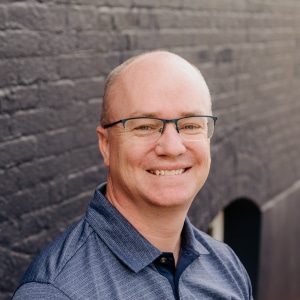 Paul Steen, Director of Science | Huron River Watershed Council
Presentation: Biological Data
Paul analyzes and reports on the data collected by our Adopt-A-Stream volunteers and provides scientific and educational support to several HRWC programs. He is the program manager of the Michigan Clean Water Corps (MiCorps), a state-wide program focused on volunteer monitoring in lakes and streams. Paul earned his Master of Science and Ph. D. from the School of Natural Resources, University of Michigan, where he focused on landscape ecology, aquatic macroinvertebrates, and fish community ecology.
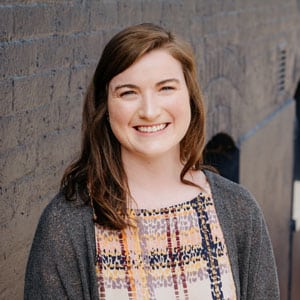 Kelly McCabe, Water Quality Specialist | Huron River Watershed Council
Presentation: Chemistry Data
Kelly coordinates the Chemistry and Flow Monitoring Program and supports other stormwater management and watershed planning activities at HRWC. She has worked on water quality issues, especially eutrophication or excess nutrient inputs to waters, in a variety of aquatic systems including the coastal oceans, Great Lakes, rivers, and stormwater systems. Kelly holds a Master of Science in Chemical Oceanography focusing on the role of stormwater runoff in impairing coastal waters and a Bachelor of Science in Chemistry and Marine Science from the University of South Carolina.
 Michelle Cullen, Senior Strategist | Council Fire
Presentation: Social and Economic Indicators
Michelle Cullen has over seventeen years of experience working on social and environmental sustainability in both the public and private sectors. As a trained anthropologist, she strives for sustainable, positive change by helping unravel complex problems, promote ownership amongst stakeholders, develop metrics that enable improvement and greater impact, and tell data-driven stories that engage and invite action. Prior to joining Council Fire, she consulted at IDC, a technology analyst firm, where she supported Chief Sustainability Officers and Corporate Social Responsibility Leads at companies such as IBM, Cisco, Dell, Intel, Verizon, SAP, and HPE, among others, on matters related to ESG reporting and impact, market trends, competitive landscape, and marketing/brand. During her time at IBM, Michelle worked on Smarter Cities, which was also the focus of her Ph.D. She began her career at The World Bank, where she helped design, evaluate, and conduct social and environmental assessments for over $30B of projects that focused on poverty alleviation, economic development, and social rehabilitation, primarily in conflict-affected countries.
 Stephanie Kammer, Emerging Pollutants Section Manager | EGLE, Water Resources Division
Presentation: Emerging Contaminants
Stephanie Kammer serves as the Section Manager of the Emerging Pollutants Section for the Water Resources Division of the Michigan Department of Environment, Great Lakes, and Energy (EGLE). Stephanie has worked for the past eight years on PFAS related issues including the development of compliance programs and interim strategies to address PFAS in regulated wastewater and biosolids for the Water Resources Division. This includes work in the municipal wastewater, industrial pretreatment, biosolids, groundwater discharge, industrial direct, and industrial storm water programs as well as source tracking efforts in various watersheds. Prior to this roll, she worked for over 18 years implementing water quality related compliance programs and regulations within the Water Resources Division for EGLE.
Session Two: What Threatens the Health of the Huron? Existing & Emerging Threats
As we look to the next 60 years, what are the greatest risks facing our watershed, ecosystems, and communities? In this session, we will confront three major threats—chemical contaminants, development, and climate change—through compelling lightning talks and a panel discussion. Together, we will explore monitoring data, projections, and learn about the innovative tools to better understand these threats and address their impacts to build resilience for decades ahead.
Session 2 Presenters
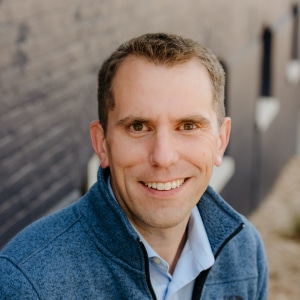 Daniel Brown, Climate Resilience Strategist | Huron River Watershed Council
Presentation: In context of the Huron River watershed
Daniel has worked to address the effects of climate change across North America. He helps develop strategies that preserve land for waterway protection, reduce planet-warming emissions, and improve climate resilience. He also works on efforts to restore the main river corridor through dam removal, leads HRWC’s efforts to address PFAS contamination, and coordinates the Huron River Water Trail. He enjoys empowering conservation based on sound science and getting people to enjoy Michigan’s natural resources.
 Katie Grantham, Planner III | Southeast Michigan Council of Governments
Presentation: Development
Katie Grantham is a Planner in SEMCOG’s Environment & Infrastructure group. She joined SEMCOG in 2018 and specializes in green infrastructure development, water resource management, and public outreach. She has helped successfully lead two EPA green infrastructure grant programs for local communities in the SECMOG region. Katie regularly facilitates regional watershed planning, leading SEMCOG’s Partners for Clean Water group and Southeast Michigan’s One Water public education campaign. Katie received her Bachelor’s Degree in Environmental Biology from Michigan State University, and her Master’s Degree in Environment and Sustainability from the University of Michigan. When Katie isn’t working, you can find her kayaking all across Michigan.
 Dr. Yongli Wager, Associate Professor, Civil and Environmental Engineering | Wayne State University
Presentation: Emerging Contaminants
Dr. Yongli Wager is a Professor in the Department of Civil and Environmental Engineering at Wayne State University. Her research, funded by the NSF, EPA, NIH, Microsoft, Great Lakes Protection Fund, and Great Lakes Water Authority, focuses on environmental pollution and public health. Her group investigates the fate and transport of microplastics in natural and built environments, develops high-throughput microplastic detection technologies, creates assessment tools to identify plastic pollution sources and pathways, and conducts community outreach to reduce plastic waste.
 Beth Gibbons, Director | Washtenaw County Resiliency Office
Presentation: Climate Change
Beth Gibbons brings a unique blend of regional passion and national and international experience working on climate resilience. For over fifteen years, Beth has focused her career on how to make climate information usable and useful and building programs and organizations that recognize the unmatched expertise that communities and individuals have about their own risks and resources. She advocates for a perspective that recognizes the risks communities face, but also pushes leaders to realize that climate change presents opportunities for the region to grow and thrive. She was an author of the 5th National Climate Assessment, a member of the Federal Advisory Council on Climate Adaptation, and the founding Executive Director of American Society of Adaptation Professionals. In September of 2024 Beth became the inaugural Director of the Resiliency Office for Washtenaw County, MI.
Session Three: Working At All Scales For Watershed Protection. Federal, State & Local Levers
The opportunities to implement impactful solutions for the restoration and protection of Michigan’s inland lakes and rivers are everywhere. From land use planning to state funding to federal policy, there are many fronts to fight for clean water and healthy rivers. In this collaborative session, experts at the federal, state and local levels will share where they see the best opportunities and most feasible solutions right now, and what they see as some of the creative solutions for watershed protection. The conversation will extend to the entire room, inviting everyone to build on these ideas and identify new pathways for collective action.
Session 3 Presenters
Moderator:

Gillian Gainsley, Chief of Staff to Director Phil Roos | Michigan Department of Environment, Great Lakes, and Energy
Gainsley works closely with Director Roos, helping the agency be more responsive by working closely with key stakeholders and driving strategic communications. She also works across divisions to support key policy initiatives and supports the agency’s efforts to become “the best place to work in state government.” Before joining EGLE, Gainsley served as head of strategy at Detroit PBS, where she was responsible for strategic partnerships and fundraising. She has also held leadership positions in local government, including working as Communications Director at the Ypsilanti District Library and serving on the boards of the Ypsilanti Community Schools and the Ann Arbor Area Transportation Authority. She started her career in environmental advocacy. Gillian brings two decades of experience serving the public at nonprofit and government organizations with environmental and educational missions, with expertise in strategic communications, stakeholder engagement, and program development. She has a track record of launching innovative programs and helping organizations become better connected and more responsive to the communities they serve. Gillian holds a BA in Political Science from Kalamazoo College and an MS from the University of Michigan School of Environment and Sustainability. She lives in Ypsilanti with her husband and two kids. In her free time, Gillian enjoys gardening and exploring Michigan’s rivers in her kayak—including completing the Huron 104 water trail twice, in 2023 and 2024.
Session Panelists

Katie Jones, Manager, Strategic Communications | City of Ypsilanti
Katie is an experienced Community and Economic Development Manager with over 13 years of experience. Katie specializes in leveraging partnerships, managing complex projects, and securing funding to support community-driven initiatives such as removing the Peninsular Dam, working with developers to build for sale affordable housing at Dorsey Estates, and the environmental clean-up of the Water Street Redevelopment Area. She works closely with local governments, nonprofits, and private sector partners to foster economic resilience and social equity. A key aspect of Katie’s expertise is grant management. She has secured and managed millions of federal, state, and private funding. Katie holds a master’s degree in public affairs from the University of Michigan Ford School of Public Policy. She is a lifelong resident of Ypsilanti, and her passion for Ypsilanti, serving the community, empowering underserved populations, and creating a vibrant, economically sustainable community through strategic development initiatives is not just a job but a deeply rooted commitment. This connection to her work drives her persistence each day.
 Tim Sikma, Public Works Director | City of Wixom
Tim Sikma currently serves as the Department of Public Works Director for the City of Wixom. Tim holds BS in Fisheries and Wildlife from Michigan State University, AS in Business Administration (Magna Cum Laude), from Oakland Community College. He holds several certifications in the water and wastewater field. In Wixom, Tim continues to collaborate with communities to improve the solid waste, water and wastewater programs in Michigan. Tim currently serves as the chair of the Great Lakes Water Authority Water Supply Advisory Council and continues to work as a member partner for this organization.
 Tom Zimnicki, Policy Advisor | Executive Office of the Governor
Tom serves as a Policy Advisor in the Office of Governor Whitmer where he specializes in climate and environmental issues. Prior to joining the Governor’s team, Tom was a Program Director at the Alliance for the Great Lakes and the Michigan Environmental Council in addition to serving as a Policy Advisor in the Michigan Department of Agriculture and Rural Development. Tom holds a dual master’s in environmental science and public affairs from Indiana University.
 Mike Smalligan, Forest Stewardship Program | Michigan Department of Natural Resources
Mike Smalligan manages the Forest Stewardship Program for the Michigan DNR to help family forest landowners protect, manage and enjoy their woods. He leads the Forest to Mi Faucet team to help connect twenty conservation organizations with municipal water utilities to help implement their source water protection plans. He serves on the boards of the Michigan Society of American Foresters, Michigan Forest Association, Michigan Tree Farm Committee and Capitol Area Friends of the Environment.
Session Four: The Power of Partnership & Community: Building the Rain Catchers Collective
“If you want to go fast, go alone. If you want to go far, go together.” We close our day by celebrating the partnerships and community vision that drive meaningful change for the Huron River watershed. This inspiring discussion brings together diverse voices, sharing stories of collaboration that crosses boundaries and amplifies the power of partnership and community. Rivers flow downstream crossing political boundaries and connecting people and places in unique ways. Watersheds highlight the importance of collaboration toward common goals. We will explore how local knowledge and community involvement can help strengthen our movement. We will envision the future we can create together. This session will explore how to catalyze the Rain Catchers Collective—HRWC’s collaboration with Friends of the Rouge, Clinton River Watershed Council, and Friends of the Detroit River. Supporting homeowner-installed rain gardens and public green stormwater infrastructure—into a scalable, coordinated regional effort across Southeast Michigan.
Session 4 Presenters
Moderator:
 Nina Ignaczak, Founder & Executive Editor | Planet Detroit
Nina Misuraca Ignaczak is the founder, publisher, and editor of Planet Detroit, a digital media startup with a mission to produce quality climate, equity, health and environment journalism in the public interest that centers grassroots voices, holds power accountable, spotlights solutions + serves the community. Since its inception in 2019, Planet Detroit has won awards and recognition from the Society for Professional Journalists Detroit, the Institute for Nonprofit News, and LION Publishers. Before her career in journalism, she worked in urban planning in local government and nonprofit sectors. She has a Master of Science in Natural Resource Ecology and a Bachelor of Science in Biology from the University of Michigan, Ann Arbor.
Session Panelists:
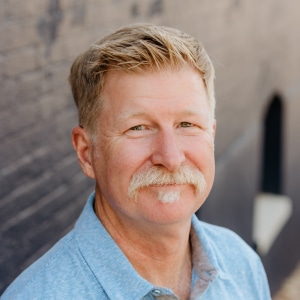
Ric Lawson, Director of Programs | Huron River Watershed Council
In addition to oversight of all HRWC programs, Ric is leading the development Green Stormwater Infrastructure (GSI) initiatives and projects. As part of this work, he led creation and development of the Rain Catchers Collective-a regional GSI collaboration. Over the course of his almost 20 years at HRWC, Ric has also developed and implemented aspects of several watershed management plans. He also grew HRWC’s Stormwater Program and ran the Chemistry and Flow Program, now led by other staff. Ric earned joint Masters Degrees in Environmental Management and Public Policy at Duke University. He lives in the Allens Creekshed in the middle section of the Huron River watershed and enjoys swimming, paddling and fishing in his home waters.
 Ashley Flintoff, Executive Director | Friends of the Rouge
Ashley Flintoff joined Friends of the Rouge in 2024 as the Executive Director. An avid fan of urban environments, Ashley is fascinated by the role space plays in encouraging and developing human interaction. Over the course of her career, Ashley has worked within the built environment with an emphasis on the interplay between sustainability and communities. Ashley is thrilled to elevate the work Friends of the Rouge is doing to restore, protect, and enhance the Rouge River watershed via her skills in strategic planning, collaborative community engagement, and sustainable development. Prior to FOTR, Ashley was the Director of Planning and Space Management for Wayne State University’s Facilities Planning and Management department. She is a dual graduate of the University of Detroit Mercy with a Bachelor of Science in Architecture and a Masters of Community Development and has a Master of Urban Planning from Wayne State University. Ashley has taught Urban Planning Process in the Department of Urban Studies and Planning at Wayne State University and has been an adjunct professor at the University of Detroit Mercy on topics such as regional sustainability, community development for institutions, social media for nonprofits, and presentation skills. Ashley is a founding Board Member and Secretary/Treasurer of the Volterra-Detroit Foundation, a former Board member of the Association for Community Design and was recognized by Crain’s Detroit as a 2022 Notable Woman in Construction, Design, and Architecture. When not sailing the Michigan’s waterways on their 1978 Pearson 30 s/v Sirius, Ashley, her husband Tim and their rescue menagerie Hunter, Akela, Nora, and Puck are renovating a 1914 Victorian home in Detroit’s historic Woodbridge neighborhood.
 Sanjiv Sinha, Chief Executive Officer | Corvias Infrastructure Solutions, LLC
Sanjiv Sinha, Ph.D., is the CEO and a Board Member of Corvias Infrastructure Solutions, LLC (CIS), a national leader in developing and delivering public infrastructure solutions. With a community-focused approach, CIS has implemented over $500 million in green stormwater infrastructure projects across more than 50 municipalities in the Mid-Atlantic, Great Lakes, and West Coast regions. These efforts have created some of the country’s largest urban greening programs, fostering opportunities for local small businesses and promoting environmental literacy within communities. In addition to his role at CIS, Dr. Sinha serves on the board of NSF International Holdings Inc., a global public health organization operating in over 100 countries, and on the Board of Directors of The Water Council, a globally recognized nonprofit and innovation hub dedicated to water-related solutions.
 Jim Nash, Water Resources Commissioner | Oakland County
Jim Nash served as a county commissioner in Oakland County from 2005 through 2012 and has held the position of Water Resources Commissioner since that time. He is married with four children, three grandchildren, and two great-grandchildren. Nash is a veteran and small business owner with extensive experience in government service, bringing an environmental focus to his public sector work
Special Feature: Graphic Recording
The conference featured live graphic recording—a visual storytelling method that captured conversations, ideas, and connections as they unfolded throughout the day. Through illustration and key phrases, our graphic recorder transformed dialogue into engaging visual maps that made complex discussions more accessible and memorable. These real-time visuals helped us see relationships between science, policy, and community action, bringing clarity to big ideas and highlighting collective insights. The resulting illustrations serve as both reflection and inspiration, documenting the spirit of collaboration that defined the State of the Huron Conference.
Meet the Artist: Yen

Yen Azzaro is an artist, illustrator, and graphic recorder (drawing and writing what people say, in real time.) Yen is the Illustrator-in-residence for Culture Source, 2024 Arc Fund recipient, and the co-host of Cadence: A Podcast for Creatives. She completed her first year studies at the School of the Art Institute of Chicago and received a BFA from University of Michigan Stamps School of Art & Design. Learn more about Yen’s work here.
Lead Sponsor

Osprey Sponsors


Walleye Sponsors

Blue Heron Sponsors

Red Tail Hawk Sponsors


Bass Sponsors


Trout Sponsors

Kingfisher Sponsors
ASTI Environmental | Carlisle Wortman & Assoc | Environmental Consulting & Technology, Inc.| Niswander Environmental